
 Spotify

 iHeartRadio

 Amazon Music

 Apple Podcasts

 Pandora

 Youtube Music

 PlayerFM

 Overcast

 PocketCasts

 Goodpods

 Podyssey

 Audible

 Podchaser

 RSS Feed
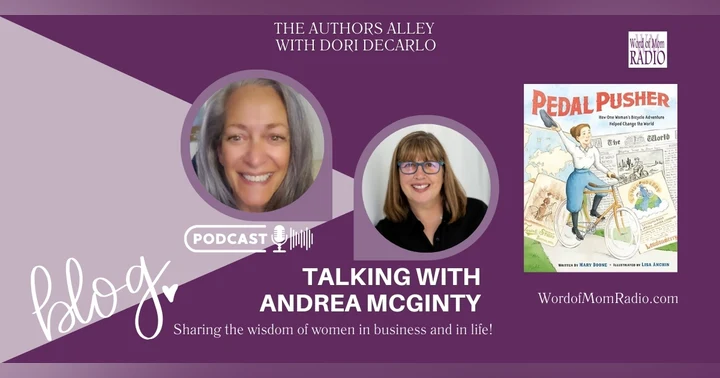
Mary Boone on The Authors Alley with Dori DeCarlo
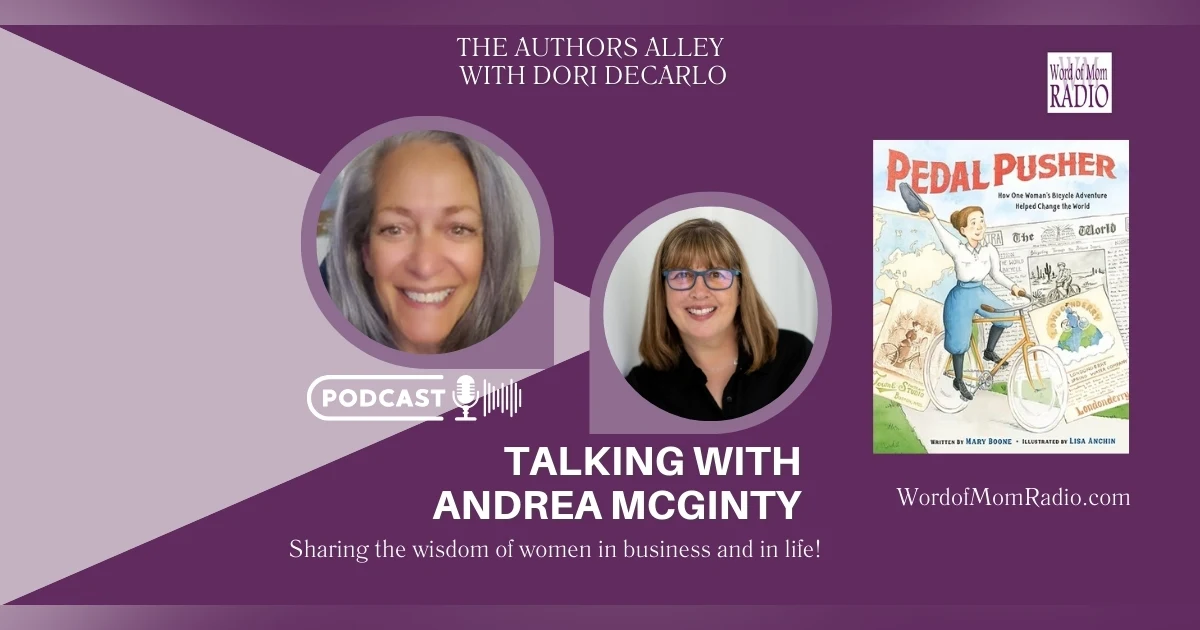
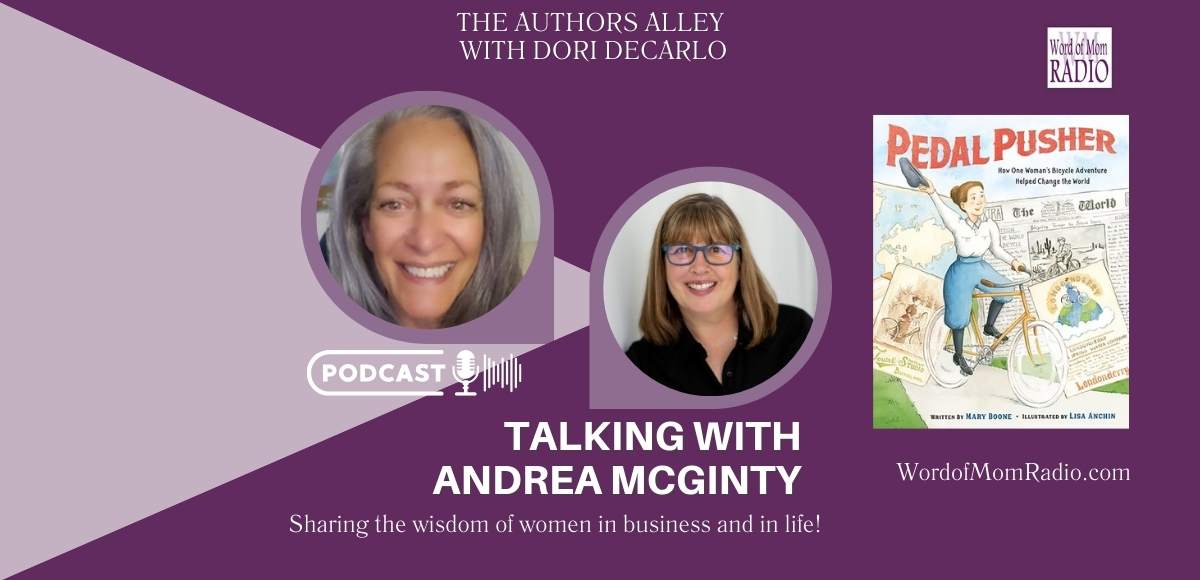
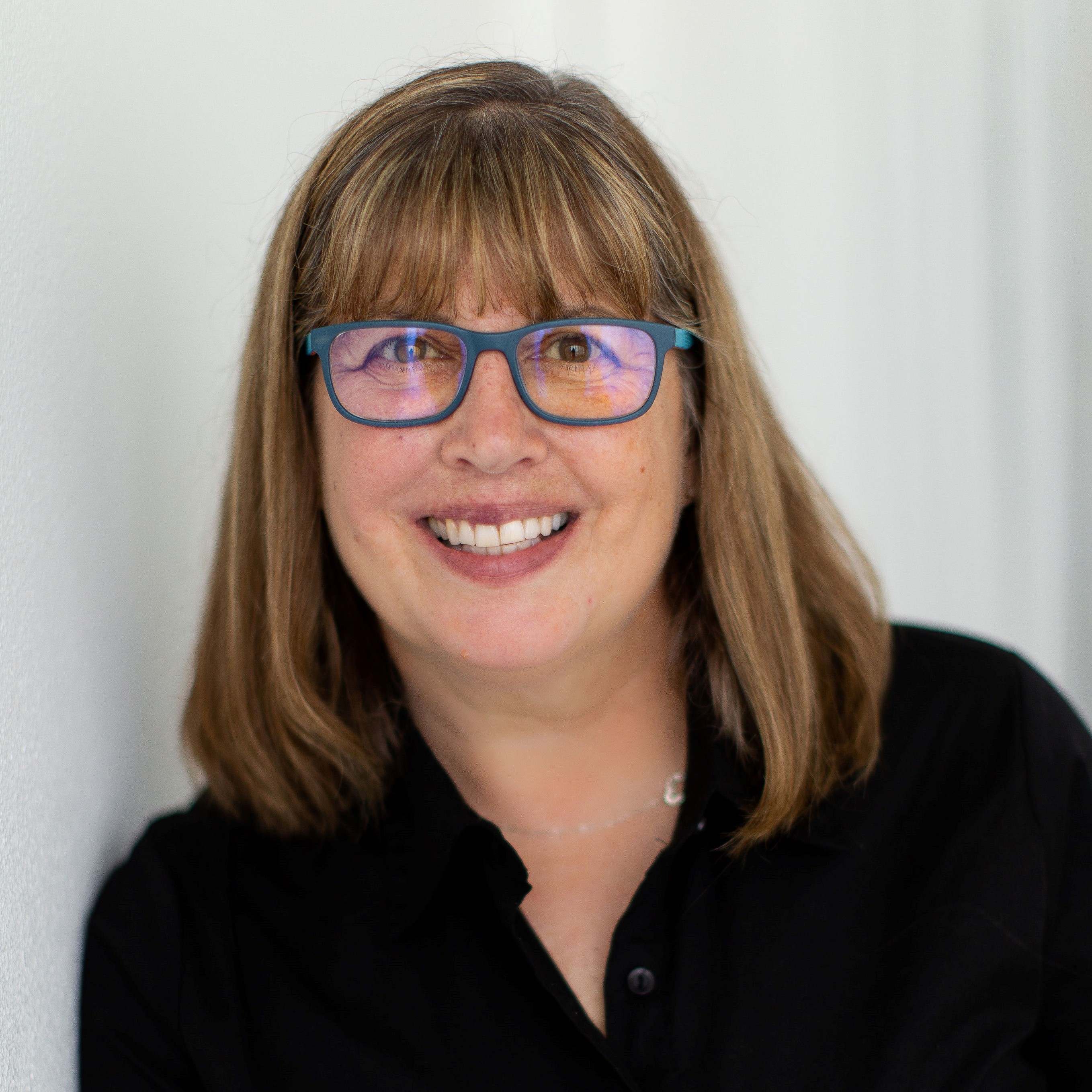
Mary Boone has written 70+ nonfiction books for young readers.
Mary Boone’s book research has taken her places many people have never been … chest deep in the Union River to count salmon, inside a cricket barn, and, perhaps most daring of all, the front row of a Justin Bieber concert surrounded by screaming teens. Mary has written 70+ nonfiction books for young readers, most recently Pedal Pusher, School of Fish, and Bugs for Breakfast.
Two more books are set for release in 2026: Flying Feminist and Unfathomable: 20 (Wild But True) Stories of the Sea.
Mary and her family live in Tacoma, WA, with a stubborn Airedale terrier named Ruthie Bader.
Join host Dori DeCarlo on The Authors Alley and connect with Mary at BooneWrites.com and on LinkedIn, Facebook, Instagram, BlueSky, X and buy her books on Amazon, too.
Please support UnsilencedVoices.org a global 501(c)3 nonprofit that empowers survivors of domestic violence, sexual assault, and human trafficking.
We thank Smith Sisters and the Sunday Drivers for our theme song, "She is You".
Be sure to connect with us come tell us your story!
WordofMomRadio.com - sharing the wisdom of women, in business and in life.
Become a supporter of this podcast: https://www.spreaker.com/podcast/word-of-mom-radio--5252572/support.
0:00 She is sure, she is true, she is straw is straw, she is true, is true, she is praise, pray, she is p she is you. Hello, everyone, welcome to today's Word of Mom Radio. Here on the Word of Mom Media Network. I'm your host, Dori Di Carlo, and you know we are here week after week, show after show, breaking those myths that mompreneurs and business women, especially those of us building our businesses from home, that we're just dabbling in between bake sales and getting our nails done. We're not. We are smart, we are savvy, and we are sharing the wisdom of women in business and in life. And I'm looking forward to bringing today's guest into our author's ali. Mary Boone's book research has taken her place as many people have never been just deep in the Union River, to count salmon inside a cricket barn, and perhaps most daring of all, the front row of a Justin Bieber concert surrounded by screaming teens. Mary has written seventy plus nonfiction books for young readers, most recently Pedal Pusher, School of Fish and Bugs for Breakfast. Two more books are set for the release in twenty twenty six. Flying feminist and unfathomable twenty but wild but true stories of the Sea. Mary and her family live in Tacoma, Washington, with a stubborn Airindale Terrier named Ruthi Bader.
1:31 Love that name. I could keep going, but I'd rather bring Mary in. So with all that being said, welcome to Word of Mom Radio. Thank you. I'm so glad to be here. I am really looking forward to sharing your journey. And I have to ask you what first drew you to writing nonfiction for kids. I know in reading about you you have a journalism background, and that helps shape the journey. Oh for sure. I always I was going to write Nancy Drew mysteries. I always thought I was going to write the next Junie B. Jones. But it turns out after you're a journalist for a very long time, making things up is difficult. I have worked so hard to relay facts and I'm really really great at research that I finally decided to lean into my strengths. And I think part of my initial resistance to nonfiction was that the nonfiction I read when I was growing up was kind of boring, and I didn't want to write those boring books. So I set out to write non boring nonfiction, and I think I'm succeeding one little nonfiction book at a time.
2:49 And that's how you do it. It's like how do you eat an elephant one bite at a time. How do you decide what topics you're going to tackle in your books? It needs to be something I'm interested in, because a book is a long term relationship. You're spending so much time on research and writing and revision that it needs to be something I care about, and so that's definitely a factor in deciding what I'm going to write about. Also, how can I make this relatable to kids? Is this something kids would also care about? Or is this just something a middle aged woman and Tacoma Washington cares about.
3:29 So especially if there is something that as I'm doing research, I just can't wait to tell my friends and family about some fact I've uncovered. Then I think those same facts often catch kids' attention and I can't wait to share them. So that's what makes it kid worthy for you, I think. So, especially when I can figure out a way to put it in terms that they understand. For example, when I wrote Bugs for Breakfast, I had no intention of ever eating insects. Let me tell you this is all about enimie, which is the practice of eating insects. I went on a trip to Vietnam I ate bugs. I came home and thought, I never to need to do that again. That was just something I did. Check it off my list. But that sense of curiosity, like why are they eating bugs? And where else are they eating bugs?
4:16 And how long are they eating bugs? I know there are kids out there who are equally as curious as I am, and I want to answer those questions, get them thinking about additional questions. And if the kid's not curious, I want to maybe turn on that switch and get them, get them to start wondering about the world around them. I have to say that when my daughter was in Cambodia and Vietnam, she backpacked across that whole part of the world for almost five months and bride crickets were her favorite. Yeah, I think crickets. They call it the gateway bug. But yeah, crickets and crickets there are a lot larger than crickets being raised for food here in the United States.
5:00 But you know, eating one little bug, come ob, you know led me on this trail of research. You know. It's so funny because I remember her saying that I'm looking at all these bugs, mom, and he just have like it's a whole fort of bugs. And then I said, all right, win in Rome? Do is the Romans? And I stood, she goes in, crickets are really my favorite. It was like, well, it's get to know that you've found your favorite bug because and again you know, I know, when you are on survival trails, the first thing they tell you ants protein and stuff like that. So I remember my son one time dropped his lollipop in a pile of ants, and in the two seconds before I could grab it, he just had that thing in his mouth and there he was. And that's all I kept saying to myself, Okay, a lot of protein, I'll pick the bug.
5:53 Out of his teeth. It's one of the things that they teach, you know, the military about survivor or if you're taken prisoner, or you're left out on a hike somewhere, is which bugs are edible and which aren't, and how to play it safe out there if you don't know for sure. It's really crazy, but it's true as a reader, because I'm such an avid reader nonfiction can really be tricky, yes, and finding that way to balance accuracy and storytelling, because, like you said, as we were growing in a lot of them not it was just boring. So how have you been able to adapt this to keep kids engaged in the stories?
6:40 Oh? Wow, that's such a great question. And I hope that I'm doing it because I really I focus as I'm doing research on the wow facts, the things I can't wait to tell other people, and I keep post it notes that I then want to make sure that I get into my books as I'm writing them. But I just I always ask myself, why would this matter to a kid? Or what would a kid? What would fourth grade Mary have found fascinating about this? The new book I just researched about the oceans, there's a whole story in about concrete ships. Now, fourth grade Mary would have had a hard time figuring out why concrete was a good material for ships, why it was necessary. But I also would have wanted to know how did they make it float because every time I've seen a concrete block thrown in the ocean, it just sinks to the bottom.
7:33 So just trying to figure out what their questions are going to be anticipate and then presented in an interesting, relatable way. I try to be conversational and, like I said, anticipate their questions. In looking back at things that you've written, Mary, are there some of those wow facts that still stick with you that wow, I can't believe this or that. Sure, I grew up on a fall, so I thought I knew all about traditional farming. But when I was researching bugs for breakfast, one of the issues related to eating insects is that there's so much more sustainable than traditional proteins. So, especially when I go talk to kids in schools, I always ask does anybody here like a cheeseburger or a hamburger? And all their hands go up, or a lot of them, And then I asked them to guess how much water do you think it takes to raise one pound of beef? One pound of beef?
8:30 Do you have any idea, not a clue? Eighteen hundred gallons of water to produce one pound of beef. It was a fact I didn't even believe because, like I said, I had a farming background. I grew up on a farm in Iowa. But we have to remember we're feeding and watering that cow for eighteen months before it's taken to market. It's got to eat and drink every single day. And then we're not eating the entire cow. You know, you're not eating its hoofs, it's hide, its head, its tail. You're only eating a certain percentage of that cow. So when you figure out the water usage to produce a pound of beef, it's eighteen hundred gallons. And if you're producing a pound of cricket powder or cricket protein, it takes one gallon. Same protein levels in each of those foods, but the water required to produce each is so vastly different.
9:32 I live in Washington, and initially kids they're like, Oh, we have all the water you can. You know, it rains here all the time. Well, it doesn't rain here all the time, and there are droughts all over this country, all over the world, and we've got to start thinking about proteins that maybe require less water, less resources to produce. So that when I start talking to kids on that level, a lot of times adults would be like, oh, there'll be water. But kids are really into the environment and they want to save this planet. And good for them, because a lot of adults we've made a mess of things, we need them to fix it. So they're very tuned into that. That's just one wow fact that has that I still think about all the time.
10:15 All Right, here's my question, how do you get people to go Cricket protein would be much better for me to be adding to my things. You know, that's where I'm seeing that big wall to climb. Oh sure, for sure, and if not, cricket. So there are a couple of answers to that one. When I do presentations, I always take bugs for people to try. I have jars of roasted bugs that they can try. But I also always make cricket cookies. And I make a mean cricket cookie, and I make cricket cookies. And then I make cookies that don't have crickets in them. Ground up. It's cricket proteins, so you can't see any legs or any And I ask them if they can tell the difference, and they are so shocked that they can't to tell the difference. I usually have them vote, which when do you think had crickets cricket protein in it? Nine times out of ten they're wrong, They're just wrong. They cannot taste the difference. So getting them just to try it and a cookie is a good first step, But then telling them if they're not going to try crickets, then what we've got to start thinking about alternative sources of protein.
11:22 Is it going to be help, is it going to be lab raised meats? What are we going to do to feed our growing population? So I just want to get people. I don't necessarily need people to start eating crickets, but I need them to start thinking about what the alternatives could be. Lab raised meat. It's so funny we were just talking about it the other day that when we were growing up, we did not have to worry about genetically modified boots. We didn't have to worry about them injecting our chicken and things like that to make them bigger. It's always amazing to me now how careful you need to be reading labels matter, because the stuff that my feeling is if I can't just go and buy it, then I shouldn't have it. Like people gargum. People don't realize that gargum is just a thickener and it's a peckner that you can use, especially if you're few have aluten in tolerance, and it's something you can buy on the shelf, but there's a lot of stuff in our food that you can't because it's fid and creative again, even something creative like this being able to look at alternatives, because let's face it, think we're just such an indulgent country.
12:38 We are well and I love to talk about to kids who By the way, when I do school presentations, I usually will say to the principle at the end, I'd love to have some kids come up and try insects, And the principle will almost always say, well, we can do that, but nobody's going to want to. And at the end of every presentation when I ask about three quarters of the hands go up in the air and we have a hard time choosing who gets to do it. So kids are really really open to trying new things. I have found that girls are generally more daring than boys, and then the boys become more daring when they see how open the girls are. But I just love to get them thinking about if they're not going to eat crickets, could they be the person who comes up with alternatives.
13:26 You know, living here in Washington State, we've got the world's largest help farm and kelp is a great source of protein, so it maybe that's going to be it, I don't know, or thinking about using more insect protein in the foods we feed our pets, because while you and I might only eat crickets once a week, our pets eat the same thing every single day. There are some cricket based dog foods and cat foods out there, but could there be more? So all the questions, I just want to get people thinking and wondering. That's my mission. On that note, think of what Mary's talking about, because it really is just raising the questions and opening your mind.
14:10 We're going to take a quick break, stay, thank you to the people that are behind our show, and we'll be back here in just a moment. On Word of Mom Radio. She is brave, she is bold, She is you, and we want to tell your story. Are you ready to share your journey with us on Word of Mom Radio? Go to wordommradio dot com and register as a guest. We want to tell your story because when you win, we all win. In twenty seventeen, Unsilenced Voices was formed to help survivors of domestic abuse and gender based violence worldwide. The organization currently serves siri Leone, Rwanda, Ghana, and the USA. In twenty twenty two, Unsilenced Voices gifted over thirty three thousand dollars to survivors in the USA and in sire Leone.
15:05 There are over twenty six young girls who have been rescued from sex trafficking and domestic abuse and now going through vocational training school in order to better their lives. We need your help. Donations are critical in order for us to continue our work. We also need volunteers to help with research and development. Please visit Unsilenced Voices dot org for more information. And we're back here on Word of Mom Radio. We are talking with author Mary Boone and I am looking. You know, kids are not only the future, but they are so clear on what adults should be doing, so much more often than the adults are. I remember my son Dan, who's now a dad, when he was five and a half and we were standing on a step.
16:01 He was waiting for his school bus, and this girl was smoking a cigarette and while there was this big sand bowl next her for them, she took it inflicted in the air on to the ground and my son watched the arc. He looked at me and he goes cigarette smokers. They think the world is an ash tray. And then looked at her and goes, you know you're littering my world? Right. She walked down the stairs, she picked up the butt, she put it in the thing, and I looked at her. I said, nothing like getting put in your place by a five year old. But that's true. It is their world and they are so cognizant about recycling and everything else. Also, what you said about the girls are more adventuresome. I have a five year old granddaughter and a seven year old grandson. Trust me, Edie would be eating that cricket first, and then Danny would do it because Edie did.
16:47 It no pressure. Yes, I absolutely know, because she is somebody who I bet she's already eaten a cricket. I would be surprised if she hadn't. I want to know from you, how do you vote kids feel when they read your books. I mean, I know, opening up those conversations when you get to speak to them, What do you want them to come away with when they've got it in their beedom? I just I really want them to think what else? You know, what else? What could I do? How could this? How could my family do? This or I want them. You know, they're not all books about bugs. You know. I wrote this book School of Fish, which is all about a program where schools teach. Schools are given fertilized eggs of either salmon or trout or sunfish, and the kids get to raise them. And I want them to look at a book like this and think, citizens science is pretty cool. I want to do that. If this person did this, why can't I. If they broke this barrier, what barrier is out there for me to break?
17:54 I think. I just want them to keep thinking and dreaming. And a lot of times kids will say to me, I've heard this a lot. There's nothing new for me to invent. Everything's been done, and I think, oh my gosh, that is so not true. I've written books about the first woman to build and fly her own airplane, the first woman to ride a bike around the world, and they're like, all the persons have been done. Oh no, they haven't. Go out there and figure out what your thing is, and even if it's been done, figure out a way to do it better or bigger. I just want it to open their minds. So even if I don't get to talk to them, I want the books to talk for them for me and just put this little idea in the back of their head that their world is bigger than wherever they are and whatever they're doing at that time.
18:46 Do you see changes or trends in children's nonfiction today? For sure? Like I said in the beginning, I think that when I was a kid, when we were kids, it was just pretty straight for these are the facts, here's the timeline. But now we get to read stories, they're way more narrative driven. We find you don't have to if you write a biography of someone, it doesn't have to start at their birth and end at their death. It can focus on one exciting aspect of their life and tell it as a story, so that a lot of times this I love this story. This is the story of Annie Londonderry. Her real name is Annie Cohen Kobchowski, but she sold her naming rights marketing far before anybody was marketing, when she rode a bike around the world.
19:38 And a lot of times, because this book is so narrative, I will finish reading it and kids will say, is that real? So it doesn't read like those old timey biographies that we grew up with. Or I grew up with reads like a story. I want it to be as much like fiction, but better because it's real. All you've got the unfathomable twenty wild but true Stories of the Sea coming out next year. And yes, that's when you learned as you were researching it. Oh, so many, so many facts. But the thing that got me thinking about this book in the first places. And like I said, I grew up in Iowa, far from any ocean, about as far from an ocean as you can get. But I now live in Tacoma, Washington, And when I moved here, people started talking about octopus wrestling.
20:29 Octopus wrestling, and I thought, certainly that was that's not real. Oh it was. The World Octopus Wrestling Championships were held into Cooma, Washington in the nineteen fifties and sixties. The Wide World of Sports would come and broadcast, which still baffles me because it all happened underwater, and there weren't really great underwater cameras at the time, but thousands of people would gather. Boeing sponsored teams. Teams of three divers would go down in in to the water near the Tacoma Narrows Bridge. They would gather giant pacific octopus and they would haul them back up in Whichever team had the largest octopus would win this championship. When I heard this story, I was my mind was kind of blown because we now know how really smart octopus are and that was perhaps not the kindest thing to do to those octopus. But that's what hooked me. So that's one of the just wow stories that's in here. Got to interview a man who was swallowed by a whale for real and lived to tell the story. A lobster fisherman who he's an old timey lobster fisherman who actually dives down to grab the lobsters. He's not doing that anymore, but he did get swallowed by a that's swallowed by a whale, taken into a whale's mouth, had no idea where he was, and then thankfully got spit back out by the way and lived to tell the tale. So
22:03 just stories like that that I think kids are going to have their minds blown a little bit. But also think about all that's out there, all that's left to be discovered the oceans. Talk about places that there's a lot to be discovered, There's a lot out there. I'm laughing about the lobster because my kids go to Maine every summer and my granddaughter this is now two summers ago. So she was three and I said to her, did you have lobster? And she's looking at me. She's like, mean, those lobsters could eat me. They have blush chump. I said, I know, she goes. You know what I did? I said, what she goes? I ate that claw put this book on her face, like what ah? Yeah, so funny.
22:46 But again, you know things like that the sea holds so much, so. Much meat when we see the top what few inches. When I was I learned to swim as an adult, and when I started doing open water swims, it was like, I don't know what's down there. And I remember my swim teacher saying, you only need the top eighteen inches. And then I thought, yeah, but what is down in those miles and miles below me? A lot of us we have no idea. I mean, it's kind of mind blowing just to think about. So I have the bite on my foot that's still healing from three weeks ago when I was down in Jones Beach in on Long Island, walking along and all of a sudden, ow big crab bit me. I just bite me and it just kind of, you know nothing.
23:37 But then I got a big one and didn't even realize it until I came out. It just scraped the skin long enough that a scab form to close it up. But for days I'm like, is this this scabbard? Did it stick something in me? Oh? You know what? I stepped on him. I deserve to get bit. I should have been swimming instead of walking. But yeah, you don't know what is lurking. So as we close this all out, because yeah, we could just keep talking forever on this. I love books. What do you want to leave our listeners with? And how may they reach out to you? I am assuming I'm talking to a lot of parents out there. I sorry that was Ruth Bader making a big yawn.
24:25 Your mom, radio, pet and kid cameos are always welcome. I just want to encourage parents to encourage their kids to be readers and maybe think about I just led a day camp where there were so many kids who didn't even know how to do imaginary play because their only imagination they had to be characters and video games. They didn't know how to do real play anymore. So maybe less screen time, more book time, more just free time to think and wonder and ask questions. So that's what I'd like to leave people with. A weekly trip to the library is free and so eye opening for kids.
25:10 Let them choose what they want to read. They may not get through all of them. I know it hurts to read the same book over and over and over. But if that's what a child is interested in, just nourish that that interest and answer those questions that seem like they're never going to end. And if people want to reach out to me, they can do that through my website. It's www. Dot boone writes like with a Pencil, wriites dot com. All of Mary's links are going to be live on bard of momradio dot com, including linkstriver books. I so encourage you children learn by what you share with them. Read to them, even when they are infants. Start reading.
25:55 Doesn't matter that they don't understand, it doesn't matter that they're not attending the book. It's in material. Keep reading to them create the readers that are going to sheep this world. And so Mary, I thank you so much for taking the time to come and share your journey with us. Come back next year when the Flying Feminists and Unfathomable come out and let's share what is happening as they are getting out there to kids all over. So again, I. Would love to I so appreciate you taking the time to talk to me, because I do think readers are leaders and we need more of them. So right on and for all of you tuning in, thanks so much. We're going to close out with our fabulous theme song from Smith's Sisters and the Sunday Drivers.
26:44 So till next time, This is Dory Di Carlos saying, go out and create a marvelous youth. Bye for now. She is sure, she is sure, she is strong, she is straw, she is true, she is true, she is braise, she is bold. She she is you. She is she is. She is sure, she is she is strong, is strong, she is true, is true, she is braised, she is bold, she is she is you. Is you, she is you. She is sure of herself. Yeah, she takes care of his powerful and strong. Yes, she knows who she is has integrity, woman, strong and true.
27:29 You know her by name. See this woman is you. She is sure, she is strong, is strong, she is true, is true. She is braise, she is bold, she is, she is you, she is she is, she is sure, she is strong, is strong, she is true, is true, she is braid, she is she is. She is you, she is you. She is adds value and hope has proved to be brave. See it's never too late, never time to behave Reaching for dreams doesn't matter. The age believes in herself, unleashed from her cage. She is sure, she is sure, she is strong, is strong, she is true, is true, she is brave, brave, she is bold, she is you, she is she is she, she is sure, she is she is strong, she is strong, she is true, is true, she is brave, is brave, she is she is you.
Mary Boone’s book research has taken her places many people have never been … chest deep in the Union River to count salmon, inside a cricket barn, and, perhaps most daring of all, the front row of a Justin Bieber concert surrounded by screaming teens. Mary has written 70+ nonfiction books for young readers, most recently Pedal Pusher, School of Fish, and Bugs for Breakfast. Two more books are set for release in 2026: Flying Feminist and Unfathomable: 20 (Wild But True) Stories of the Sea. Mary and her family live in Tacoma, WA, with a stubborn Airedale terrier named Ruthie Bader.