

 Spotify
 iHeartRadio
 Amazon Music
 Apple Podcasts
 Pandora
 Youtube Music
 PlayerFM
 Overcast
 PocketCasts
 Goodpods
 Podyssey
 Audible
 Podchaser
 RSS Feed
 Lisa Talbot in The Business Spotlight with Dori DeCarlo

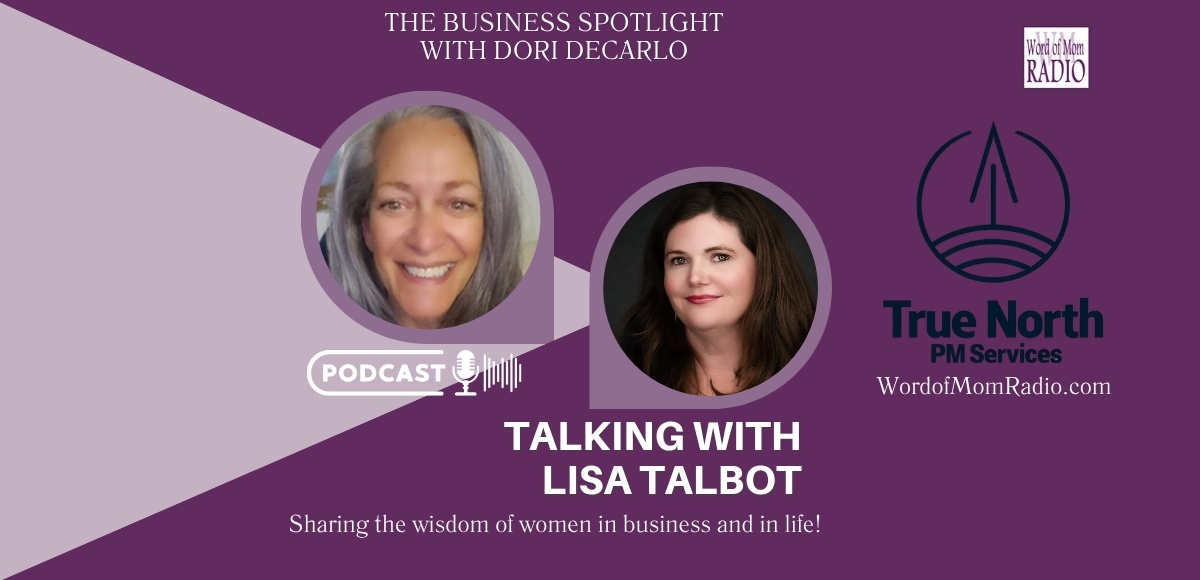
Lisa Talbot, Founder of True North PM Services, knows that scaling your business shouldn't mean scaling your stress!
Lisa Talbot, Founder of True North PM Solutions, specializes in helping growing businesses streamline operations and scale smoothly. As businesses expand from five employees to 10, 15, or more, the processes that once worked often start breaking down—leading to inefficiencies, overwhelm, and lost time.
That’s where Lisa comes in.
With years of experience managing projects across industries—from nonprofits and agriculture to fiber optics and Fortune 500 software deployments—she’s seen firsthand how the right systems can reduce chaos, save time, and support sustainable growth. Lisa takes a practical, hands-on approach to problem-solving.
Lisa has developed a deep expertise in the PMBOK methodology while embracing agile and hybrid frameworks to suit the unique demands of each project. No two projects are alike, and that’s what excites her—untangling complex workflows, streamlining inefficiencies, and presenting clear, actionable plans that empower teams to succeed. Scaling a business shouldn’t mean working longer hours—it should mean working smarter. Let’s make that happen.
Join host Dori DeCarlo for The Business Spotlight and connect with Lisa at TrueNorthPMSolutions.com and on LinkedIn.
Please support UnsilencedVoices.org a global 501(c)3 nonprofit that empowers survivors of domestic violence, sexual assault, and human trafficking.
We thank Smith Sisters and the Sunday Drivers for our theme song, "She is You".
Be sure to connect with us on BlueSky, Facebook, Instagram, Twitter, and come tell us your story!
WordofMomRadio.com - sharing the wisdom of women, in business and in life.
Become a supporter of this podcast: https://www.spreaker.com/podcast/word-of-mom-radio--5252572/support.
0:00 She is sure, she is true, she is straw is straw, She is true, is true, she is praise, pray, she is she is you. Hello, everyone, welcome to today's Word of Mom Radio. Here on the Word of Mom Media Network. I'm your host, Dori Di Carlo, and you know we are here week after week, show after show breaking those myths that mopreneurs and businesswomen, especially those of us building our businesses from home, that we're just dabbling in between bake sales and getting her nails done. We're not. We are smart, we are savvy, and we are sharing the wisdom of women in business and in life. And I'm looking forward to bringing today's guest into our business spotlight. Lisa Talbot, founder of True North PM Solutions, specializes in helping growing businesses streamline operations and scale smoothly. As businesses expand from five employees to ten or fifteen or more, the process that once worked often starts breaking down, leading to inefficiencies, overwhelm, and lost time.
1:09 That's where Lisa comes in, with years of experience managing projects across industries from nonprofits and agricultural to fiber optics and fortune five hundred software deployments Lisa's seen firsthand how the right systems can reduce chaos, save time, and support sustainable growth. Scaling businesses shouldn't really mean working with other hours. It should mean working smarter, and Lisa wants to help make that happen. And I can tell you so much more about her hands on approach and everything else, but I'd much rather bring her in and let her share her journey. So, with all that being said, leads and welcome to Word of Mom Radio.
1:51 Thanks Terry, thanks for having me. I'm excited to be here. And you know, I think that we're all looking for more time, whether it be in business or in life, and so I'm happy to share my story today with your listeners. I would love them, and I seriously i'd love for you to take us on your journey that led you from working for other companies and building them to now creating true NORTHOPEM solutions. Yeah. Thanks. I spent about probably closer to twenty years now in corporate America. I learned a lot. I've I had great teams and great leaders. I moved around in some companies and moved up the latter so to speak, and started a family and had young kids and maybe burnout isn't maybe the right word, because I wasn't burnt down.
2:40 I just needed a different path for myself. And so I took the opportunity to do some reflection on what I was good at, what I enjoyed, you know, what was my favorite day at work, what was my worst day at work, and really tried to do like a then diagram of those things and put them together. And I was able to spend some time with my kids as they were growing up, and when they started to go to school, I thought this was the right time to start something different. And I say different, even though you know, many people have their own businesses, are in the small business arena, but for me, it was very different from corporate America to self employment, and I lucked down.
3:26 I knew that I had this technology experience and I could work with systems, and technology came easy to me, and I knew that I could use that experience from corporate America and help, you know, smaller businesses and scaling businesses. And I happened to be dropping off my dog to daycare and all their systems were down, and I said, how can I help you like this? So it kind of evolved you know, with me thinking about what I wanted to do to you know, some luck on my side, and since then, I've been able to help nonprofits, solopreneurs and small businesses kind of get back their time, automate their systems, create space for them to really focus on what got them, you know, true north, they're true North, so that they can spend more time on that. A lot of small businesses or solopreneurs don't go into business because they want to be the CETO of their company.
4:26 And so that's kind of where I jump in and help. And I'm not selling on, you know, a SaaS solution. I don't come in saying this is you have to be on this platform. I really look at how they're currently operating and come up with a custom plan based on what they're currently using or what their technology needs and skill technology skill allows them to operate. With Lisa for you, what was the biggest risk in taking the leap from corporate to starting your own business. I think it's the imposter syndrome. You know, it's the and I still have it today. I've been in business for coming up on just a year, so I'm fairly new, and I still think I'm I have this risk of uh not being able to get my next client right, there's there's lulls and there's uh So my biggest risk was like, could I really do this?
5:21 Uh? Could I do I actually have the skills because when you're in corporate, you have teams, you have teams of people that help you. You have you know, mentors and experts that you can you know, kind of rub shoulders with when you have an issue. As a solopreneur, you don't have that, right you. I have some people that I can connect with, and I have my you know chat GPT that can help too, but it is really lonely almost And that was my my fear of could I do this h like I could in corporate when I kind of had a bigger support system. It's amazing though, because when you think about it as a mom, time management, scheduling, budgeting, troubleshooting, all of the things that you just do and moms, I don't think of giving ourselves enough credit realizing on the job training for any industry that we go into that happens and how that kind of translates and so for you, especially in tech, did it help you with that in missing that team of corporate backup.
6:32 Yeah. I always say, like we should be able to put mom in the pandemic, mom in all these scenarios on our resumes. Because if you want to talk about agility and resilience and you know, emotional intelligence like that is, you know, those are things that you can't teach. You know, you can teach someone to code or to you know, find ways to automate, but you can't necessarily teach those softer skills that moms just innately have, right, And so I think that is one of my skills, right, Like that's part of our cape that we wear in being able to walk into some small small businesses that I don't know the industry, right, I just am coming in and listening to their story and hoping I could help, and that I mean, I continue to learn from them, just like it continue to learn from my kids every day.
7:36 You know. My oldest just started a new camp today and I've been you know, nervous about it, and they just walk in there like they, you know, own the world. And I think, gosh, I wish I could you know, just walk in, you know, And maybe I do from a you know, present standpoint, but I feel like kids just have that attitude, and I sometimes have that imposter syndrome of like I'm you know, I'm pretending you know here and let's let's hope for the best. In that vein. How do you balance data driven decisions and your instincts, because you know, in the tech world, our webmaster, Linda Cherry, she and I have been doing websites since it was a dot com dialog, and there were times she would call me it sounded like Charlie Brown's teacher wa wah wah, wah wah. Would she say, you know, I just made a mistake and it saved me four hours. And it's things like that that it is on the job training. So how have you found that balancing, because obviously your instincts are there.
8:41 I think that one of the biggest things is data, and I love data. I think it's it's important, it's everywhere. Sometimes we can get into kind of a decision where we can't make decisions because there's so much data and it could be read in different ways, it could be articulated in different ways. And but one of the things that I find is small businesses necessary don't necessarily have the data yet and they just feel the pain point. So when they one of the first things that we do is look at their current state, so we kind of take a step back and look at what is the process that you're dealing with, because they'll say, oh, this happens all the time, this is you know, this happens.
9:27 You know, it's the biggest pain point. Well, when we actually you know, monitor and look at that process and start tally marking just simply on a post it note. I mean, it's not high tech by any means, but we find that that glitch or that workaround or that instant really only happens maybe twenty percent of the time, but it's so painful when it does happen that it that people think that it's the biggest problem, and so you know, that's it's that kind of is how we use data in small businesses when we don't obviously we can look at the analytics of their website and we can look at those things too, but sometimes it's just like what is the human process and what are the pain points that they're dealing with, and then coming up with like, Okay, we found all these pain points, what is the biggest one. What is so painful that you dread it, right, So that's where you're kind of using the instinct of the small business like I don't even like doing this process because it just like sucks the soul and life out of me. And that's that's my cue of like, that's the one we have to go work on first, because if if I can help that business with that one thing, like I think downstream effect will be so much better. And maybe, you know, maybe I've kind of proven myself right, like I've proven myself that I can help them, and we can you know, continue on with other processes that are causing such pain points.
10:57 So it is a balancing act. But I think with data and small businesses, sometimes it is just what is most painful? What do you what are you dread doing? And let's let's follow that data point. That makes perfect sense to me because it usually does wind up something that is a minuscule part of something going on, but because it is that dreaded part, it's all encompassing. What advice would you want to give somebody who's afraid to take that first step, because it's almost reframing failure because failure shows that you're trying, you know, and it's how you learn from your mistakes, So how do you reframe that when you're trying to get yourself the courage to get out there and start.
11:49 That's a good question for me, you know. I when I started True North, I've just started small. And that really has come from and that's what I promote as a philosophy of True North and talking to small businesses is let's just start small and kind of chip away at it. And that really comes from my own life. You know, I've been an avid runner for most of my adult life and have done many races, and just started swimming in the last couple of years and have started doing some racing. And you don't start out doing the half marathon, right, you don't you know, go out one day and say I think I'm going to start running thirteen miles. You start out with a training plan and you start out, or you do a couch to five k. What is the really terrible saying about eating elephant one bite at a time? I think starting small.
12:47 I think if people are thinking about starting their own business, you know, it can be really easy as just like listening to some business podcasts on your way to your corporate job. It can be you know, know, maybe learning a new skill, taking a course to see if that's where you want to go in. And that's kind of what I tell my clients as well, is let's look at this whole process. It seems really big, but let's just see if one thing works. And sometimes we try things to your point and it doesn't work, but at least we know that it doesn't work. Now we can focus on something that might work and go from there. Because but it's really hard when you're kind of heads down and thinking, you know, trying to make profits and trying to keep everything moving to think, oh my gosh, if I fail, what is that really cost? But at the same time, if you succeed, what is the savings and what is the cost of you know, success. So it can kind of go both ways. And I think I'm just a glass half full type of person, but I guess my biggest advice would just be start small.
14:00 We find you know something, you know, it's even the checklist, right, like you always try to check off the thing that's easiest done your to do list. I mean, that's that's really what it is, is try to start small and go and go from there. On that note, thinking what Lisa said, We're going to take a quick break, say thank you to our sponsors, and we'll be back here in just a moment. On Word of Mom Radio. She is brave, she is bold, she is you, and we want to tell your story. Are you ready to share your journey with us on Word of Mom Radio? Go to wordomomradio dot com and register as a guest. We want to tell your story because when you win, we all win.
14:43 In twenty seventeen, Unsilenced Voices was formed to help survivors of domestic abuse and gender based violence worldwide. The organization currently serves Siri Leone, Rwanda, Ghana, and the USA. In twenty twenty two, Unsilenced Voices gifted over thirty three thousand dollars to survivors in the USA and in sire Leone. There are over twenty six young girls who have been rescued from sex trafficking and domestic abuse and now going through vocational training school in order to better their lives. We need your help. Donations are critical in order for us to continue our work. We also need volunteers to help with research and development. Please visit Unsilenced Voices dot org for more information.
15:38 And We're back here on Word of Mom Radio. We are talking with Lisa Talbot, founder of True North em Solutions. So moms listen so deeply and often tech tells you to value tech over hearing. So for you, how do you think listening has shaped your business? That's a great question. I think we could all do better at listening in general. I really look at technology from the human side. So when I go into a business, they really you know, the buzzwords right now are AI.
16:20 You know I need my business to do AI. AI can help me AI AI AI and AI is good, it can do amazing things. But if your processes or your data isn't good, then it's only gonna help like the mess, right, You're just gonna automate your mess. And so I actually take the approach of like, let's step back and think about what do you want it to look like? So what do you want to do? So if you take your sales process or an onboarding process, or you know, there's a million different processes, how can we step back from it a little bit, think through what it would be from A to B to Z.
17:10 And then once we have that the current state, we figure out what the future state. Is how can we minimize maybe the players or the stakeholders or you know, the amount of back and forest that there are, and then put the technology on it. And sometimes we find that now we don't even need high tech technology, you know, we can make a simple automation that could lead us to using AI or using those buzzword technologies. So it is this, it is stepping back and this is probably you know, I'm still learning this as a mom. Is when your kids get all riled up about something' is like, oh, let's take a step back and really like think through what's going on. And that's the same approach that I'm taking with my client is take a step back, take a breather, look at the process that you really want, and then let's add technology to match what you want it to be.
18:10 Going along that line, do you think that moms could actually be of help in the way that tech products are built? Oh yeah, I mean if we think, I mean, think of all the mom hacks right, Like there's you know, there's so many tiktoks about mom hacks, and it's true, Like I mean, I don't even think we've recorded or documented all the things that moms do and split second decisions right that they're able to come up with, or or even just the you know meltdown, you know, creating you know, calm after a meltdown, or any of those things.
18:50 So when we when we think of technology and how technology can help us, I think moms are innovative there. They're looking at things from all angles and they definitely have a voice at the table for what automation and what you know, technology can do for us. And it's starting to pick up, right There's a lot of girls that code, girls tech pieces that are coming forward, and so I'm hopeful that it will continue to expand and have women voices to help with the technology as we kind of go forward with advancements in AI.
19:31 Lisa, for you, what lessons has motherhood given you that have made you a better business owner? Oh gosh, I think it's just the the resilience that I have. The although imposter syndrome sneaks up, I know that if I can, you know, keep two kiddos alive and fed and relatively happy for as long as I have, I think that, you know, that really shows that I can do pretty much anything right. And so I think just I think it's also just the freedom right I can.
20:13 The small business and True North has really enabled me to be more present as a mom. And so I think it's a back and forth. I think it's what what have I been able to do as a small business owner, but also what has the small business been able for me to do as a mother? And just our ecosystem since taking this plunge has drastically changed in a positive direction. You know, we're able to, uh, you know, make healthier choices, go for a bike ride to the library versus driving, just because we have the extra time, we can you know, do things that create the space for joy versus feeling the hustle.
20:53 Uh. And so I think it's it's a partnership between the two things. But it also makes me, you know, work really hard and work really focused when I'm working, because I know that as soon as I'm done working, you know, I can go back and be a mom one hundred percent of the time. And so just having that time management and dedication is helpful and it's helpful for me as a mom. I need that critical thinking piece to be a better mom. So it's definitely a partnership between being a mom and a business owner that make me feel like I can be a better business owner. And Mom, Lisa, is there a piece of advice you wish someone had given you when you were starting out?
21:37 Gosh, I hope people give me advice. Even now, I'm always learning, and I think that's the thing. You're always learning. It has been iterative, it has changed, I've used different words, I've learned numerous things. Thinking back on it, the biggest piece that surprised me was not only how much I would be working, because that has, you know, probably tripled from my corporate experience. But I think the thing that I was surprised about was how nice the community is. So even when there's parallels or maybe duplications in the skills, when I'm out networking with others, with other business owners, the community just is amazing and they have amazing insights.
22:28 And I think from like a networking corporate experience, when it felt like maybe everyone was going for the same job, it just didn't have that inclusive feel to it, and so and I was scared. I remember going to my first networking event and I parked across from it and kind of like, Okay, who's going to be at this event? Okay, how can I you know what are some you know, I googled chat gpt'ed, you know, what are some conversations starters? You know that I could have And I was really nervous and I walked in and lo and behold. People were excited to hear about me, and you know, I was excited to hear about them. And that goes back to that great listening, like just listening to how other people, you know, introduce themselves and connected people. You know, I've met so many people through people because the community is just so welcoming.
23:26 What a great way to wrap up this conversation, Lisa, as we are closing out, what would you like to leave our listeners with and how may they reach out to you? Yeah, I just hope it's worth the risk. So I hope your listeners understand that it can be really scary, but it is worth it regardless of what direction you're going, and they can reach out to me at trueanorthpmsolutions dot com or I'm on LinkedIn as Lisa Talbot And thanks Dory so much for the opportunity to be here. I've enjoyed our conversation. Oh It's been my pleasure. I love sharing women in business and especially tech because it is such an op boy network still and we are coming to find out through history opening up how many women have been the backboard of all of this tech advancements since the start.
24:26 So I love seeing this. So I am so thankful that you took the time to come and share your journey with us, because it's important and as you grow come back. We love hearing how things are expanding. It's exciting in your first year to be moving things forwards and people are going to benefit from your skills, and it's really fun to get to share your journey. So thank you so much for being here. Really appreciate it, and for all of you tuning in, thanks for being here. We're going to close out with our fabulous theme song from Smith's Sister and the Sunday Drivers. So till next time, this is Dory di Carlo saying, go out and create a marvelous youth. Bye for now.
25:10 She is sure, she is sure, she is strong, she is strong, she is true, she is true. She is Braise, bra she is she is. You, is you, she is you. She is sure. She is sure, she is strong, she is strong, she is true, she is true, she is brave. She is bold. She she is you. She is you, she is you. She is sure of herself. Yes, she takes care of biz. Powerful and strong. Yes, she knows who she is, has integrity, woman, strong and true. You know her by name. See this woman is you. She is sure, she is she is strong, is strong, she is true, is true, she is braiz bra she is bo is you, she is you, she is she is sure, she is strong, is strong, she is true, is true, she is brave, she is she, she is you.
26:11 She is She adds value and hope, has proved to be brave. See it's never too late, never time to behave reaching for dreams doesn't matter. The age believes in herself, unleashed from her cage. She is sure, she is sure, she is strong, is strong, she is true, is true, she is brave, is brave, she is bold, she is you. She is she Is sure, she is she is strong, she is strong, she is true, is true, she is brave, is brave, she is she is you.
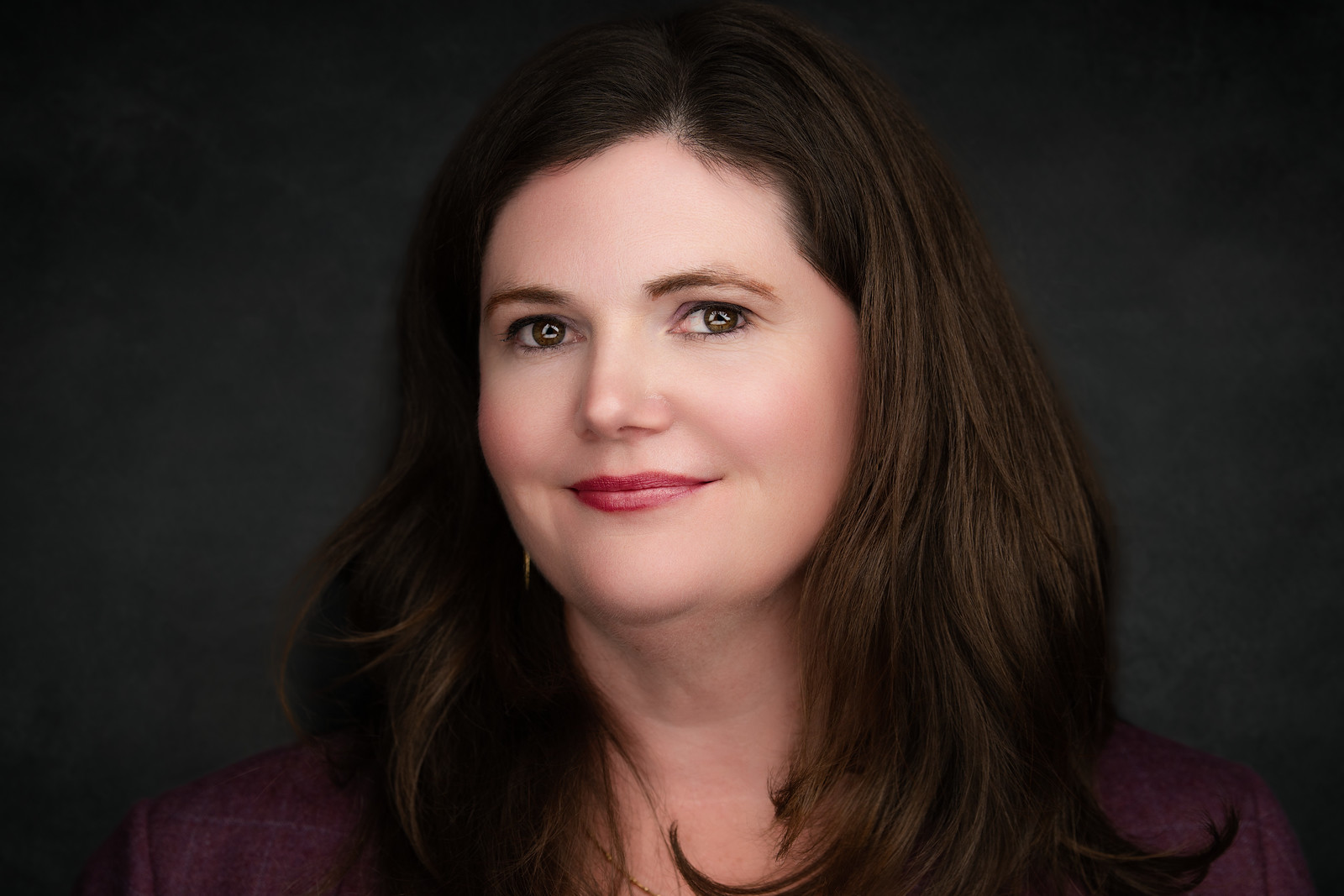
CTO/COO/CEO/MOM
I’m Lisa Talbot, Founder of True North PM Solutions, and I specialize in helping growing businesses streamline operations and scale smoothly.
As businesses expand from five employees to 10, 15, or more, the processes that once worked often start breaking down—leading to inefficiencies, overwhelm, and lost time. That’s where I come in.
With years of experience managing projects across industries—from nonprofits and agriculture to fiber optics and Fortune 500 software deployments—I’ve seen firsthand how the right systems can reduce chaos, save time, and support sustainable growth.
I take a practical, hands-on approach to problem-solving. Whether it’s eliminating bottlenecks, introducing smarter workflows, or integrating better tools, I help business owners reclaim their time and refocus on what they do best.
Through these experiences, I’ve developed a deep expertise in the PMBOK methodology while embracing agile and hybrid frameworks to suit the unique demands of each project. No two projects are alike, and that’s what excites me—untangling complex workflows, streamlining inefficiencies, and presenting clear, actionable plans that empower teams to succeed.
Scaling a business shouldn’t mean working longer hours—it should mean working smarter. Let’s make that happen.
